

Embarking on the journey to explore the impact of digital detox on mental health, this introduction sets the stage for a compelling discussion that delves into the intersection of technology and well-being.
The subsequent paragraph will provide a detailed overview of the topic, shedding light on the nuances and significance of disconnecting from the digital world.
Overview of Digital Detox
Digital detox refers to the practice of taking a break from digital devices such as smartphones, computers, and tablets in order to reduce stress, improve focus, and reconnect with the real world. It involves consciously limiting or avoiding the use of technology for a certain period of time.
Prevalence of Digital Detox
In today's highly digitalized society, the need for digital detox has become increasingly prevalent. With the constant presence of screens and notifications, many individuals find themselves overwhelmed and in need of a break from the digital world.
- People often detox from social media platforms like Facebook, Instagram, and Twitter, where comparisons and overexposure can lead to feelings of inadequacy and anxiety.
- Another common area of digital detox is gaming, as excessive gaming can lead to addiction and negative impacts on mental health.
- Some individuals detox from work-related emails and messages during their personal time to establish boundaries and prevent burnout.
- Streaming services like Netflix and YouTube are also popular targets for digital detox, as binge-watching can consume hours of one's day and disrupt healthy routines.
Impact on Mental Health
Disconnecting from digital devices and engaging in a digital detox can have a significant positive impact on mental health.
Improved Mental Well-being
- Reducing screen time can lead to better sleep quality, as the blue light emitted by screens can disrupt the production of melatonin, a hormone that regulates sleep.
- Limiting exposure to social media can help reduce feelings of anxiety, depression, and loneliness, as constant comparison and FOMO (fear of missing out) can take a toll on mental health.
- Spending more time in nature or engaging in face-to-face interactions can boost mood and reduce symptoms of stress and burnout.
Excessive Screen Time and Mental Health Issues
- Excessive screen time has been linked to an increased risk of developing mental health issues such as ADHD, anxiety disorders, depression, and sleep disturbances.
- Constant digital stimulation can lead to cognitive overload, decreased attention span, and poor concentration, impacting overall mental well-being.
- The pressure to constantly be connected and available through technology can contribute to feelings of overwhelm and exacerbate existing mental health conditions.
Improved Mental Clarity and Stress Reduction
- Taking breaks from digital devices can improve mental clarity, creativity, and problem-solving skills, as it allows the brain to rest and recharge.
- Engaging in activities that do not involve screens, such as mindfulness practices, meditation, or hobbies, can help reduce stress levels and promote emotional well-being.
- Disconnecting from technology can create a sense of control over one's time and priorities, leading to a greater sense of balance and fulfillment in life.
Social Interaction and Relationships
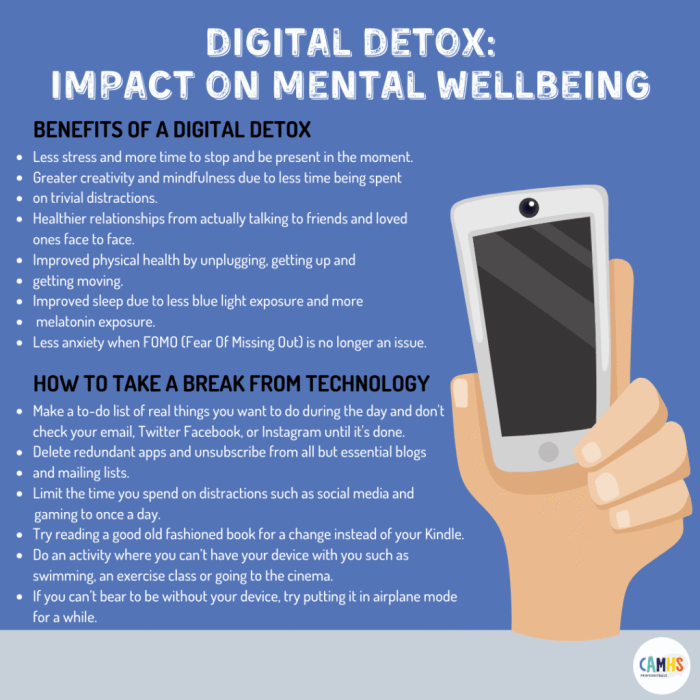
Improving face-to-face social interactions is one of the key benefits of engaging in a digital detox. By reducing screen time and focusing on real-life connections, individuals can enhance their communication skills and build stronger relationships.
Impact of Technology on Personal Relationships
Technology plays a significant role in affecting personal relationships. Excessive use of devices can lead to a decrease in quality time spent with loved ones, as well as a lack of emotional connection. It is important to find a balance between digital engagement and real-life interactions to maintain healthy relationships.
Stories and Studies on Strengthening Relationships through Digital Detox
-
A study conducted by the University of Texas found that couples who took a break from technology and engaged in more face-to-face interactions reported feeling more connected and satisfied in their relationships.
-
Personal anecdotes often highlight the positive impact of digital detox on relationships. Many individuals have shared how disconnecting from screens allowed them to focus on their partners, friends, and family, leading to deeper bonds and improved communication.
Tips for Balancing Digital Engagement with Real-Life Connections
- Acknowledge the importance of face-to-face interactions and prioritize spending quality time with loved ones without distractions from devices.
- Set boundaries for screen time and designate specific periods for engaging in real-life activities and conversations.
- Practice active listening and be fully present during social interactions to strengthen relationships and foster meaningful connections.
- Engage in activities that promote face-to-face communication, such as participating in group outings, game nights, or shared hobbies.
Productivity and Creativity
When it comes to digital detox, one of the key benefits is the positive impact it can have on productivity and creativity. By reducing screen time and disconnecting from constant digital stimulation, individuals can experience a boost in their ability to focus, think creatively, and be more productive in their tasks.
Boosting Productivity Levels
- Reducing distractions from notifications and social media platforms allows individuals to concentrate better on their work or projects.
- Setting specific time blocks for focused work without any digital interruptions can lead to increased productivity and efficiency.
- Engaging in activities that promote mindfulness, such as meditation or exercise, during a digital detox can help clear the mind and improve concentration.
Impact of Digital Stimulation on Creativity
- Constant exposure to digital devices and information overload can hinder creative thinking and problem-solving abilities.
- Being constantly plugged in can limit opportunities for boredom, which is a crucial factor in sparking creativity and innovative ideas.
- Disconnecting from screens can help individuals tap into their imagination, think outside the box, and come up with fresh ideas.
Strategies for Enhancing Creative Thinking
- Schedule regular digital detox sessions where you engage in offline activities like reading, painting, or spending time in nature to stimulate creativity.
- Practice mindfulness techniques such as deep breathing or journaling to quiet the mind and allow creative thoughts to flow more freely.
- Explore new hobbies or interests during a digital detox to inspire creativity and expand your perspective.
Examples of Productivity Benefits
- A study conducted by a tech company found that employees who took regular digital detox breaks were more focused, efficient, and produced higher quality work compared to those who were constantly connected.
- Individuals who implemented digital detox practices in their daily routine reported feeling more energized, motivated, and accomplished in their personal and professional tasks.
Ending Remarks
Concluding our exploration with a reflective summary, we unravel the key takeaways surrounding the relationship between digital detox and mental wellness, leaving readers with a profound understanding of the subject.
FAQ Summary
How can digital detox positively impact mental health?
Digital detox can reduce screen time, improve sleep quality, increase mindfulness, and enhance overall mental well-being.
What are some common digital activities people detox from?
Common digital activities people detox from include social media, online gaming, streaming services, and constant email checking.
Can digital detox strengthen personal relationships?
Yes, digital detox can improve face-to-face interactions, promote deeper connections, and reduce distractions that often hinder relationship quality.
How does digital detox impact productivity levels?
Digital detox can enhance focus, reduce multitasking, and increase productivity by allowing individuals to allocate time more efficiently.

