


Natural remedies for managing anxiety and stress set the stage for this captivating discussion, delving into effective ways to alleviate these common struggles. As we explore various natural solutions, readers will gain valuable insights into improving their mental well-being.
In the following sections, we will delve into the benefits of herbal supplements, aromatherapy, and relaxation techniques in combating anxiety and stress, offering a comprehensive guide to a more balanced and peaceful life.
Overview of Anxiety and Stress
Anxiety and stress are common emotional responses to challenging situations in life. Anxiety is characterized by feelings of worry, fear, and unease, while stress is the body's reaction to a threat or demand. Both can have a significant impact on mental health if not managed effectively.
Impact on Mental Health
Anxiety and stress can lead to various mental health issues such as depression, panic attacks, and insomnia. Prolonged exposure to these conditions can also increase the risk of developing chronic illnesses like heart disease and diabetes.
- Individuals experiencing anxiety disorders are more likely to have other mental health conditions.
- Chronic stress can impair memory and cognitive function over time.
- Untreated anxiety and stress can contribute to substance abuse and addiction.
Prevalence in Society
According to the World Health Organization, anxiety disorders are the most common mental disorders worldwide, with an estimated 264 million people affected. Additionally, stress-related ailments account for 75-90% of all visits to primary care physicians in the United States.
It is crucial to address anxiety and stress promptly to prevent long-term negative effects on mental and physical well-being.
Natural Remedies for Managing Anxiety and Stress
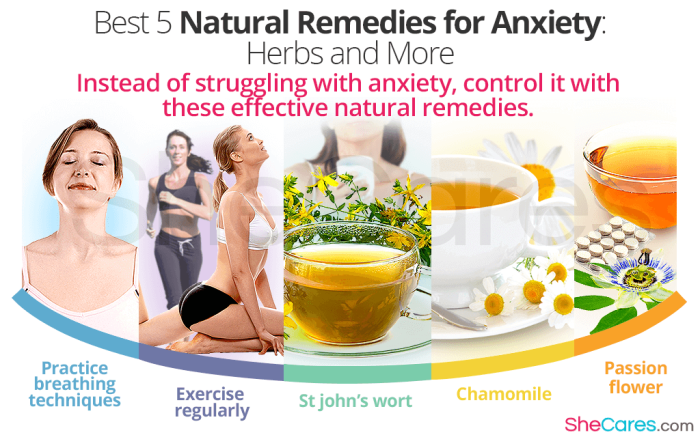
Managing anxiety and stress with natural remedies can be a beneficial alternative to pharmaceutical options. These remedies often include herbal supplements, aromatherapy, and various relaxation techniques. They work to alleviate symptoms of anxiety and stress in a more holistic and gentle way.
Herbal Supplements
Herbal supplements like chamomile, lavender, and passionflower have been used for centuries to calm the mind and reduce stress. These natural remedies can help promote relaxation and improve overall well-being.
Aromatherapy
Aromatherapy involves the use of essential oils to promote relaxation and reduce anxiety. Scents like lavender, rose, and bergamot can have a calming effect on the mind and body, helping to alleviate stress and tension.
Relaxation Techniques
Practicing relaxation techniques such as deep breathing, meditation, and yoga can help lower cortisol levels and reduce symptoms of anxiety and stress. These techniques promote a sense of calm and mindfulness, improving mental clarity and overall emotional well-being.
Herbal Supplements
Herbal supplements have been used for centuries to help manage anxiety and stress naturally. Explore some popular herbal supplements like ashwagandha, valerian root, and chamomile, each offering unique benefits.
Ashwagandha
Ashwagandha is an adaptogenic herb known for its ability to help the body adapt to stress. It can reduce cortisol levels, improve mood, and enhance overall well-being. The recommended dosage of ashwagandha is typically 300-500mg twice a day. However, it's essential to consult a healthcare provider before starting any new supplement, as some individuals may experience side effects such as stomach upset or allergic reactions.
Valerian Root
Valerian root is commonly used as a sleep aid due to its calming effects. It can help reduce anxiety and promote relaxation by increasing GABA levels in the brain. The typical dosage of valerian root is 400-900mg before bedtime. Some individuals may experience side effects like headaches or dizziness, so it's crucial to start with a lower dose and monitor your body's response.
Chamomile
Chamomile is a gentle herb that can help reduce anxiety and promote better sleep. It contains compounds that bind to GABA receptors in the brain, exerting a calming effect. Chamomile tea is a popular way to consume this herb, but it's also available in supplement form.
The recommended dosage of chamomile supplements is around 400-1600mg per day. While chamomile is generally safe, some individuals may experience allergic reactions, especially if they have a sensitivity to ragweed.
Aromatherapy
Aromatherapy is a natural approach to managing stress and anxiety by using essential oils extracted from plants to promote relaxation and calmness. These oils can be inhaled, applied topically, or diffused to create a soothing environment.
Most Effective Essential Oils for Stress Relief
- Lavender: Known for its calming properties, lavender oil can help reduce anxiety and improve sleep quality.
- Chamomile: Chamomile oil is often used to alleviate stress and promote relaxation.
- Bergamot: This citrusy oil can uplift mood and reduce feelings of anxiety.
- Ylang Ylang: Ylang Ylang oil is commonly used to reduce stress and improve overall well-being.
Methods of Using Essential Oils
There are several ways to incorporate essential oils into your daily routine for stress relief:
- Diffusers:Add a few drops of your chosen essential oil to a diffuser and let the aroma fill the room.
- Inhalation:You can inhale essential oils directly from the bottle or add a few drops to a tissue and breathe in the scent.
- Topical Application:Dilute essential oils with a carrier oil like coconut or almond oil and apply to pulse points or areas of tension on the body.
Relaxation Techniques
When it comes to managing anxiety and stress, relaxation techniques play a crucial role in promoting a sense of calm and well-being. Techniques like deep breathing, meditation, and progressive muscle relaxation can help alleviate symptoms and improve overall mental health.
Comparing Effectiveness of Relaxation Techniques
- Deep Breathing: Deep breathing exercises involve taking slow, deep breaths to activate the body's relaxation response. This technique can quickly reduce anxiety and stress levels.
- Meditation: Meditation focuses on mindfulness and being present in the moment, allowing individuals to let go of negative thoughts and emotions that contribute to anxiety.
- Progressive Muscle Relaxation: This technique involves tensing and then relaxing different muscle groups in the body, promoting physical relaxation and reducing tension.
Practicing Relaxation Techniques at Home
Here are step-by-step instructions for practicing relaxation techniques in the comfort of your own home:
- Find a Quiet Space:Choose a quiet and peaceful environment where you can focus on relaxation without distractions.
- Get Comfortable:Sit or lie down in a comfortable position that allows your muscles to fully relax.
- Deep Breathing:Inhale deeply through your nose, hold for a few seconds, and then exhale slowly through your mouth. Repeat this process several times.
- Meditation:Close your eyes and focus on your breath. Allow thoughts to come and go without judgment, returning your attention to your breath whenever you get distracted.
- Progressive Muscle Relaxation:Start by tensing the muscles in your toes and feet, holding for a few seconds, and then releasing. Move up through each muscle group in your body, repeating the process.
Final Conclusion
In conclusion, embracing natural remedies for managing anxiety and stress can be a transformative journey towards a healthier mind and body. By incorporating these holistic practices into your daily routine, you can take proactive steps towards a calmer and more relaxed lifestyle.
Helpful Answers
Can natural remedies completely cure anxiety and stress?
Natural remedies can help manage and alleviate symptoms of anxiety and stress, but individual results may vary. It's important to consult with a healthcare professional for personalized recommendations.
Are there any potential side effects of herbal supplements for anxiety?
While generally considered safe, some herbal supplements may cause side effects such as digestive issues or allergic reactions. It's advisable to start with small doses and monitor your body's response.
How long does it take to see results from using aromatherapy for stress relief?
The effectiveness of aromatherapy varies for each individual. Some people may experience immediate relaxation, while others may need consistent use over time to notice significant benefits.
Which relaxation technique is best for managing acute anxiety episodes?
Deep breathing exercises are often recommended for managing acute anxiety episodes, as they can help calm the mind and body quickly. Practice slow, deep breaths to promote relaxation in stressful situations.
Can natural remedies be used as a substitute for prescribed medication for anxiety?
While natural remedies can complement conventional treatments, it's essential to consult with a healthcare provider before making any changes to your medication regimen. They can help you determine the best approach for your individual needs.