

Embark on a journey into the realm of mental health and lifestyle design for young adults, where we unravel the importance of well-being strategies tailored to this crucial age group. Dive into a world where self-care, stress management, and supportive environments intersect to nurture a holistic approach to mental wellness.
In this exploration, we delve into the intricate connection between mental health and lifestyle choices, shedding light on the transformative power of early intervention and mindful living practices.
Importance of Mental Health for Young Adults
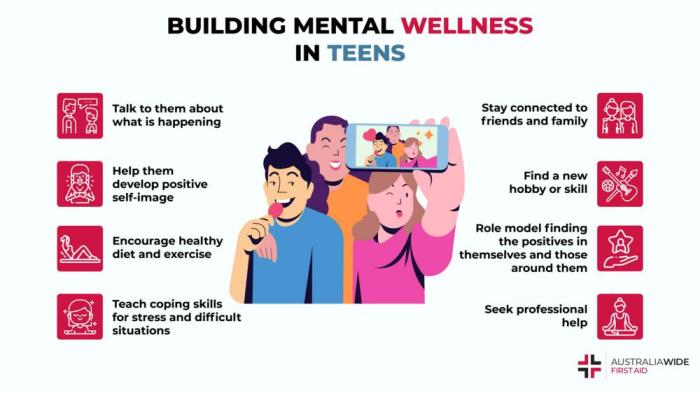
Mental health is crucial for young adults as it significantly impacts various aspects of their lives, including their relationships, academic performance, and overall well-being. Neglecting mental health can lead to long-term consequences and hinder personal growth and development.
Impact on Relationships
Mental health issues can strain relationships with family, friends, and romantic partners. Young adults may struggle to communicate effectively, maintain healthy boundaries, or engage in meaningful connections when dealing with mental health challenges.
Effect on Academic Performance
Poor mental health can also affect academic performance, leading to difficulties concentrating, remembering information, and completing tasks. Young adults may experience a decline in grades, attendance, and overall motivation to succeed in their educational pursuits.
Overall Well-being
The overall well-being of young adults is closely tied to their mental health. Neglecting mental health can result in feelings of anxiety, depression, stress, and low self-esteem, impacting their ability to navigate life's challenges and pursue their goals effectively.
Significance of Early Intervention
Early intervention in mental health is crucial for young adults as it can prevent more severe issues from developing later in life. Seeking help and support early on can equip young adults with coping mechanisms, strategies, and resources to manage their mental health effectively and lead fulfilling lives.
Lifestyle Design Strategies for Improving Mental Health
Incorporating self-care practices, managing stress effectively, and focusing on physical activity and nutrition are crucial components of lifestyle design for improving mental health.
Incorporating Self-care Practices
Self-care practices play a vital role in maintaining mental well-being. Here are some techniques to incorporate self-care into your daily routine:
- Start your day with a mindfulness practice such as meditation or deep breathing exercises.
- Schedule regular breaks throughout the day to rest and recharge.
- Engage in activities that bring you joy and relaxation, such as reading, painting, or spending time in nature.
- Prioritize sleep and establish a bedtime routine to ensure quality rest.
Managing Stress Effectively
Stress management is essential for mental health. Here are ways to manage stress effectively through lifestyle adjustments:
- Practice time management and prioritize tasks to avoid feeling overwhelmed.
- Incorporate physical exercise into your routine to release tension and boost endorphins.
- Engage in hobbies or activities that help you unwind and de-stress.
- Seek support from friends, family, or a therapist to talk about your feelings and challenges.
Role of Physical Activity and Nutrition
Physical activity and nutrition play a significant role in promoting mental well-being. Here's how you can focus on these aspects:
- Regular exercise not only improves physical health but also releases feel-good chemicals in the brain that reduce stress and anxiety.
- Eat a balanced diet rich in fruits, vegetables, whole grains, and lean proteins to support brain function and mood regulation.
- Stay hydrated and limit the consumption of caffeine and alcohol, as they can worsen anxiety and affect sleep patterns.
- Consider consulting a nutritionist or dietitian to create a meal plan that supports your mental health goals.
Creating a Supportive Environment
Building a supportive environment is crucial for maintaining good mental health and overall well-being. Having a strong social circle can provide emotional support, reduce feelings of isolation, and boost self-esteem.
Importance of a Supportive Social Circle
A supportive social circle can act as a safety net during challenging times, offering encouragement, empathy, and a sense of belonging. It can also help in coping with stress, anxiety, and depression by providing a space for open communication and understanding.
Tips for Building Healthy Relationships and Setting Boundaries
- Choose relationships that are mutually respectful, nurturing, and positive.
- Communicate openly and honestly with your friends and loved ones.
- Set clear boundaries to protect your mental and emotional well-being.
- Avoid toxic relationships that drain your energy and contribute to negative feelings.
Impact of Environment on Mental Health Outcomes
Both physical and social environments play a significant role in shaping mental health outcomes. A supportive physical environment, such as a clean and organized living space, can promote a sense of calm and reduce stress. Meanwhile, a positive social environment with healthy relationships and social connections can enhance overall well-being and happiness.
Balancing Technology Use
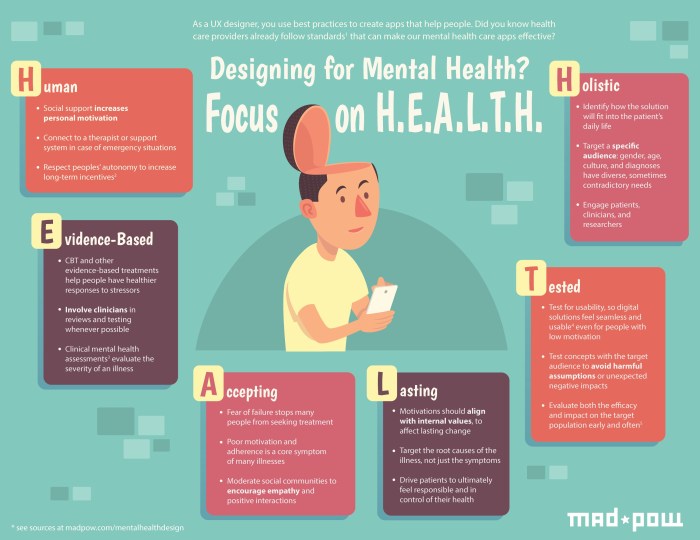
Technology has become an integral part of our daily lives, but excessive screen time can have negative effects on our mental health. It is crucial to find a balance and maintain a healthy relationship with technology to protect our well-being.
Effects of Excessive Screen Time on Mental Health
Excessive screen time, whether from smartphones, tablets, computers, or TVs, has been linked to various mental health issues such as increased stress, anxiety, depression, and sleep disturbances. The constant exposure to screens can also lead to feelings of isolation and reduced productivity.
Strategies for Maintaining a Healthy Relationship with Technology
- Set boundaries: Establish specific times for using technology and designate tech-free zones in your home.
- Practice mindfulness: Be present and engage fully in activities without distractions from screens.
- Limit social media usage: Control the time spent on social media platforms to avoid comparison and negative effects on self-esteem.
- Take regular breaks: Incorporate short breaks from screens throughout the day to rest your eyes and mind.
Benefits of Digital Detox and Unplugging from Devices
A digital detox involves taking a break from all electronic devices to reset and recharge. Unplugging from devices can have numerous benefits, including improved focus, better sleep quality, enhanced relationships, increased productivity, and reduced stress levels. It allows for more meaningful connections with others and with oneself, promoting overall well-being.
Conclusive Thoughts
As we draw the curtains on this discussion, the tapestry of mental health and lifestyle design for young adults emerges as a tapestry woven with threads of resilience, self-care, and community support. Let us carry forward the wisdom gained here to cultivate a flourishing well-being landscape for ourselves and those around us.
Expert Answers
How does physical activity impact mental well-being?
Physical activity plays a vital role in promoting mental well-being by releasing endorphins, reducing stress, and improving overall mood.
What are some effective strategies for managing stress through lifestyle adjustments?
Effective stress management strategies include practicing mindfulness, engaging in relaxation techniques, and maintaining a healthy work-life balance.
How can one create a supportive social circle for better mental health?
Building a supportive social circle involves surrounding oneself with positive influences, fostering open communication, and setting healthy boundaries.
What are the benefits of a digital detox?
A digital detox can lead to improved focus, better sleep patterns, reduced anxiety, and enhanced real-life social connections.

