

Exploring the numerous advantages of adopting a plant-based lifestyle, this article delves into the realm of health and well-being, shedding light on the transformative power of plant-based diets. As we journey through the intricate interplay between nutrition and vitality, discover how this greener path can pave the way to a healthier you.
Benefits of a Plant-Based Lifestyle
Following a plant-based diet has numerous health benefits that can contribute to overall well-being. Plant-based foods are rich in essential nutrients that are vital for maintaining good health and preventing chronic diseases.
Nutrient-Rich Plant-Based Foods
Plant-based foods are abundant in nutrients such as:
- Fiber: Found in fruits, vegetables, whole grains, nuts, and seeds, fiber helps improve digestion, regulate blood sugar levels, and lower cholesterol.
- Antioxidants: Present in colorful fruits and vegetables, antioxidants help protect cells from damage and reduce the risk of chronic diseases.
- Vitamins and minerals: Plant-based foods are excellent sources of vitamins A, C, E, and K, as well as minerals like potassium, magnesium, and calcium, which are essential for various bodily functions.
Overall Well-Being
Adopting a plant-based lifestyle can contribute to overall well-being by:
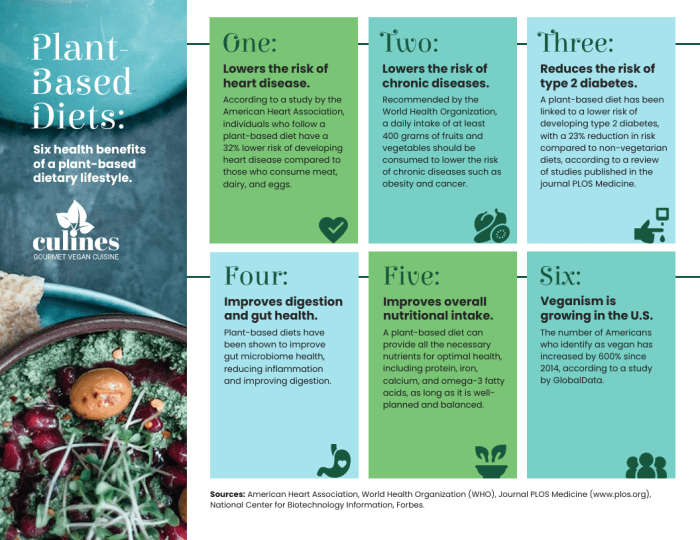
- Improving heart health: Plant-based diets are associated with a reduced risk of heart disease, high blood pressure, and high cholesterol levels.
- Managing weight: Plant-based diets are often lower in calories and saturated fats, making them effective for weight management and reducing the risk of obesity.
- Boosting immune function: The abundance of nutrients in plant-based foods supports a strong immune system, reducing the risk of infections and illnesses.
Lower Risk of Chronic Diseases

Plant-based diets have been shown to significantly lower the risk of chronic diseases such as heart disease, diabetes, and certain cancers. By focusing on whole, plant-based foods, individuals can reduce inflammation, improve blood sugar control, and promote overall health and well-being.
Impact of Plant-Based Foods vs. Animal Products
- Plant-based foods are rich in antioxidants, fiber, vitamins, and minerals that support a healthy immune system and reduce the risk of developing chronic diseases.
- In contrast, animal products are often high in saturated fats and cholesterol, which can contribute to inflammation, insulin resistance, and an increased risk of heart disease and cancer.
Statistics and Studies
According to a study published in the Journal of the American Heart Association, individuals who followed a plant-based diet had a 32% lower risk of developing heart disease compared to those who consumed animal products regularly.
Another study published by the American Diabetes Association found that plant-based diets can improve insulin sensitivity and reduce the risk of developing type 2 diabetes by up to 78%.
Weight Management and Plant-Based Diets
Plant-based diets can be incredibly effective for weight management due to their high fiber content and low-calorie density. These diets typically involve consuming whole, minimally processed plant foods such as fruits, vegetables, whole grains, legumes, nuts, and seeds.
The Role of Fiber and Low-Calorie Density
Fiber is a key component of plant-based foods that can aid in weight loss. It helps you feel full and satisfied, reducing the likelihood of overeating. Additionally, plant-based foods are generally lower in calorie density, meaning you can eat larger portions with fewer calories compared to processed or animal-based foods.
- Include plenty of fruits and vegetables in your meals to increase fiber intake and promote satiety.
- Choose whole grains like quinoa, brown rice, and oats over refined grains for sustained energy and fiber content.
- Incorporate legumes such as beans, lentils, and chickpeas for a good source of plant-based protein and fiber.
- Opt for healthy fats from sources like avocados, nuts, and seeds in moderation for added satiety.
Plant-Based Diets and Mental Health
Plant-based diets have been linked to various health benefits, including positive effects on mental health. The relationship between plant-based diets and mental well-being is a growing area of research that highlights the potential impact of food choices on mood, cognitive function, and overall mental health.
Impact of Plant-Based Foods on Mood and Cognitive Function
Plant-based foods rich in nutrients such as vitamins, minerals, antioxidants, and phytochemicals can have a positive impact on mood and cognitive function. For example, foods like leafy greens, berries, nuts, seeds, and whole grains are known to contain nutrients that support brain health and function.
These foods can help reduce inflammation, oxidative stress, and improve neurotransmitter function, all of which play a role in mood regulation and cognitive performance.
Benefits of a Plant-Based Lifestyle for Mental Well-Being
Adopting a plant-based lifestyle can offer several benefits for mental well-being. Plant-based diets are typically rich in fiber, vitamins, and minerals, which are essential for brain health and overall mental well-being. Research suggests that plant-based diets may help reduce the risk of depression, anxiety, and other mental health disorders.
Additionally, the emphasis on whole, unprocessed foods in a plant-based diet can contribute to better overall mental clarity, focus, and emotional balance.
Closing Summary
In conclusion, the path to optimal health and vitality beckons with the promise of a plant-based lifestyle. By embracing the bountiful gifts of nature's bounty, we nourish not only our bodies but also our minds and spirits. Let the vibrant hues of plant-based foods guide you towards a more vibrant and fulfilling life.
Helpful Answers
Can a plant-based diet provide all necessary nutrients?
Yes, with proper planning, a plant-based diet can offer all essential nutrients needed for optimal health.
Is it challenging to get enough protein on a plant-based diet?
No, there are plenty of plant-based protein sources like beans, lentils, tofu, and quinoa that can meet your protein needs.
How does a plant-based diet impact the environment?
Plant-based diets have a lower environmental footprint compared to animal-based diets, making them more sustainable.

