

Exploring the realm of wearable devices geared towards tracking health metrics opens up a world of possibilities for individuals looking to enhance their well-being. From monitoring heart rate to analyzing sleep patterns, these devices have revolutionized the way we approach personal health and fitness.
Dive into the latest innovations and trends in the realm of wearable technology as we uncover the best options available for tracking your health metrics.
Overview of Wearable Health Devices
Wearable health devices have become increasingly popular due to their ability to track various health metrics conveniently and in real-time. These devices play a vital role in helping individuals monitor their fitness levels, sleep patterns, heart rate, and other important health indicators.Some examples of popular wearable health devices in the market include Fitbit, Apple Watch, Garmin, and Samsung Galaxy Watch.
These devices come equipped with sensors that can track a wide range of health metrics, providing users with valuable insights into their overall well-being.Over the years, wearable devices have evolved significantly in terms of design, functionality, and accuracy. Early wearable devices primarily focused on basic fitness tracking, such as step count and calories burned.
However, modern wearable devices now offer more advanced features, including GPS tracking, heart rate monitoring, sleep analysis, and even ECG capabilities. The integration of these advanced technologies has made wearable devices indispensable tools for individuals looking to take control of their health and fitness.
Health Metrics Tracked by Wearable Devices
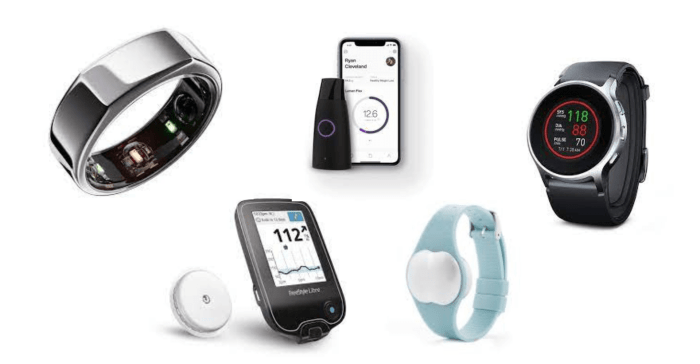
Wearable devices have revolutionized the way we monitor our health by providing real-time data on various metrics. These devices offer insights into our daily activities and overall well-being, helping us make informed decisions for a healthier lifestyle.
- Heart Rate: Wearable devices can track heart rate continuously throughout the day, providing valuable information on cardiovascular health and exercise intensity.
- Sleep Quality: By monitoring sleep patterns, these devices can assess the quality and duration of your sleep, helping you identify areas for improvement.
- Steps: Tracking the number of steps taken each day gives insights into your activity levels and encourages you to meet daily fitness goals.
- Calories Burned: Wearables can estimate the number of calories burned during physical activities, aiding in weight management and nutrition planning.
Accuracy of Tracking Metrics
Wearable devices have come a long way in improving the accuracy of tracking various health metrics. Advances in sensor technology and data analysis have enhanced the reliability of these devices in providing precise measurements.
- Heart Rate: While wearable devices may not be as accurate as medical-grade equipment, they provide a good estimate of your heart rate during daily activities and exercise.
- Sleep Quality: Devices that track sleep use algorithms to analyze movement patterns and heart rate variability to determine sleep stages, offering valuable insights into your sleep quality.
- Steps: Wearable devices use accelerometers to count steps, providing a fairly accurate measure of your daily physical activity levels.
- Calories Burned: By combining data on heart rate, activity levels, and personal information, wearable devices can estimate calories burned with reasonable accuracy.
Benefits of Tracking Health Metrics
Monitoring health metrics through wearable devices offers several benefits for maintaining overall health and well-being:
- Increased Awareness: Tracking metrics like heart rate, sleep quality, steps, and calories burned increases awareness of your daily habits and encourages positive behavior changes.
- Goal Setting: Setting targets for health metrics motivates you to stay active, improve sleep habits, and make healthier choices in diet and exercise.
- Personalized Insights: By analyzing trends in your health data, wearable devices provide personalized insights to help you understand your body's needs and make informed decisions for better health outcomes.
Features to Consider When Choosing a Wearable Device
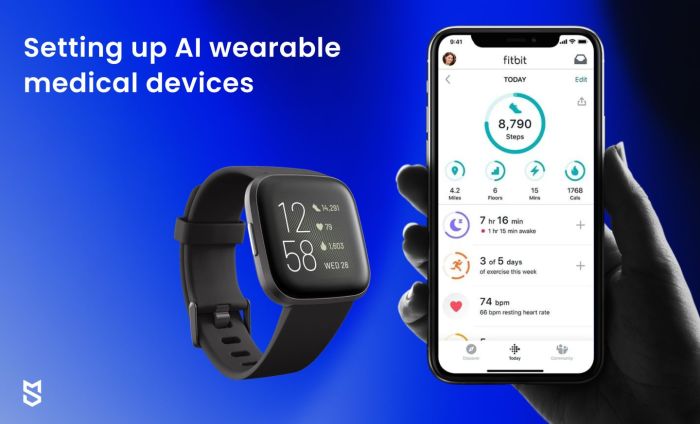
When selecting a wearable device for tracking health metrics, it is essential to consider key features that will impact your overall user experience and the accuracy of the data collected
Battery Life
Battery life is a crucial factor to consider when choosing a wearable device. Look for a device that offers long battery life to ensure continuous tracking without frequent recharging. Some devices come with rechargeable batteries, while others use replaceable batteries.
Water Resistance
If you lead an active lifestyle or enjoy swimming, water resistance is a must-have feature in a wearable device. Make sure to choose a device that can withstand water exposure, whether it's sweat during a workout or swimming in the pool.
Display
The display of the wearable device plays a significant role in your user experience. Consider factors such as screen size, resolution, and whether it's touch-sensitive. A clear and easy-to-read display is essential for viewing your health metrics at a glance.
Connectivity Options
The connectivity options of a wearable device are crucial for data tracking and syncing. Look for devices that offer Bluetooth and Wi-Fi connectivity for seamless data transfer to your smartphone or computer. This ensures that you can easily access and analyze your health metrics over time.
Impact of Wearable Health Devices on Personal Health
Wearable health devices have revolutionized the way individuals track and manage their health metrics. These devices go beyond simply monitoring heart rate and steps taken; they provide valuable insights into overall well-being and can drive positive behavior changes.
Personal Anecdotes and Stories
- One user shared how wearing a fitness tracker motivated them to increase their daily steps and reach their weight loss goals. The device served as a constant reminder to stay active and make healthier choices throughout the day.
- Another individual credited their smartwatch for detecting irregular heart rhythms, leading them to seek medical attention promptly and receive necessary treatment. The early detection potentially saved their life.
Motivation and Accountability
Wearable devices act as personal health coaches, encouraging users to stay on track with their fitness goals and health routines. The real-time feedback and progress tracking create a sense of accountability, motivating individuals to push themselves further.
Encouraging Healthier Lifestyle
- By monitoring various health metrics such as sleep quality, stress levels, and activity patterns, wearable devices help users gain a comprehensive understanding of their overall health. This information empowers individuals to make informed decisions and adopt healthier habits.
- Some devices offer personalized insights and recommendations based on the data collected, guiding users towards making positive changes in their lifestyle choices. This personalized approach can lead to long-term improvements in health and well-being.
Conclusive Thoughts
In conclusion, the landscape of wearable devices for tracking health metrics offers a promising avenue for individuals seeking to take control of their well-being. Whether it's enhancing motivation, fostering accountability, or simply providing valuable insights into one's health, these devices have the potential to revolutionize the way we approach personal wellness.
Stay tuned for more updates and recommendations on the best wearable devices to support your health journey.
Questions and Answers
What are the key features to consider when choosing a wearable device for tracking health metrics?
When selecting a wearable device, factors such as accuracy of health metric tracking, battery life, water resistance, and display quality are crucial. Additionally, connectivity options like Bluetooth and Wi-Fi play a significant role in data tracking and synchronization.
How do wearable devices impact personal health?
Wearable devices not only provide valuable data insights but also offer motivation and accountability for users. By encouraging healthier lifestyle choices and behavior changes, these devices can significantly improve overall well-being.
Which health metrics can wearable devices track?
Popular health metrics tracked by wearable devices include heart rate, sleep quality, steps taken, calories burned, and activity duration. These metrics offer valuable insights into one's physical health and fitness levels.

