

Embark on a journey towards improved sleep quality with lifestyle modifications that prioritize your well-being. By making simple yet impactful changes to your daily habits, you can pave the way for a more restful and rejuvenating slumber. Let's delve into the realm of healthy sleep practices and discover how they can transform your nights for the better.
As we explore the significance of lifestyle modifications on sleep quality, valuable insights and practical tips will be unveiled to guide you towards a more fulfilling night's rest.
Lifestyle modifications for better sleep quality
Ensuring good sleep quality is essential for overall health and well-being. Lifestyle choices play a significant role in determining the quality of our sleep. By making positive changes to our daily habits, we can improve our sleep patterns and enjoy a more restful night's sleep.
Impact of lifestyle choices on sleep quality
Our daily routines and habits can have a direct impact on the quality of our sleep. Unhealthy lifestyle choices can disrupt our sleep patterns and lead to issues like insomnia, sleep deprivation, and poor sleep quality.
- Consuming caffeine late in the day can interfere with our ability to fall asleep.
- Using electronic devices before bedtime can disrupt our circadian rhythm and make it harder to fall asleep.
- Irregular sleep schedules can confuse our body's internal clock, affecting the quality of our sleep.
Benefits of making lifestyle changes to improve sleep
Making positive lifestyle changes can have a profound impact on our sleep quality, leading to improved overall health and well-being.
- Establishing a bedtime routine can signal to our body that it's time to wind down and prepare for sleep.
- Creating a comfortable sleep environment can promote relaxation and enhance the quality of our sleep.
- Engaging in regular exercise can help regulate our sleep-wake cycle and improve the depth of our sleep.
Tips for incorporating healthy habits into daily routines
It's important to prioritize healthy sleep habits in our daily routines to optimize our sleep quality and overall health.
- Avoiding large meals and caffeine close to bedtime can help promote better sleep.
- Setting a consistent sleep schedule and sticking to it can regulate our body's internal clock and improve sleep quality.
- Creating a relaxing bedtime routine, such as reading or taking a warm bath, can signal to our body that it's time to unwind and prepare for sleep.
Importance of a consistent sleep schedule
Consistency in your sleep schedule plays a crucial role in improving the quality of your sleep. When you go to bed and wake up at the same time every day, your body establishes a natural rhythm, known as the circadian rhythm, which helps regulate your sleep-wake cycle.
Establishing a regular sleep routine
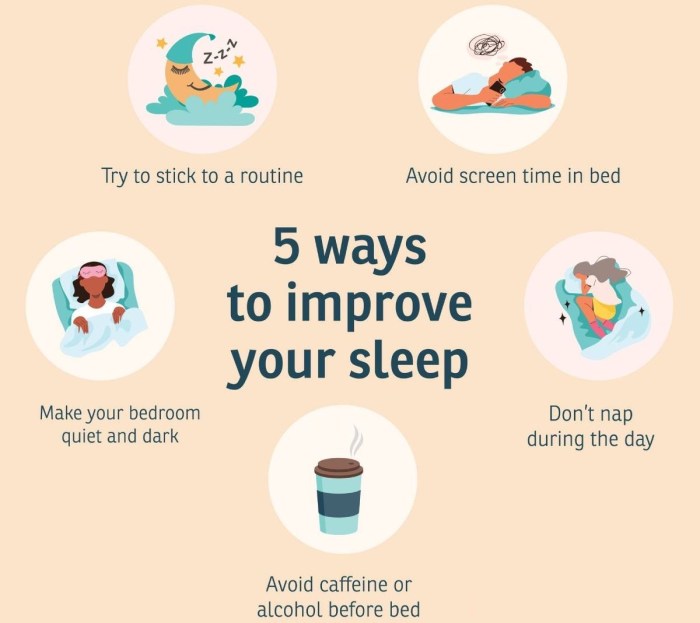
Maintaining a regular sleep routine involves going to bed and waking up at the same time every day, even on weekends. Avoiding naps during the day and creating a relaxing bedtime routine can also help signal to your body that it's time to wind down and prepare for sleep.
Effects of irregular sleep patterns on overall well-being
Irregular sleep patterns can disrupt your circadian rhythm, leading to difficulties falling asleep, staying asleep, or getting restful sleep. This can result in daytime drowsiness, decreased cognitive function, mood changes, and a weakened immune system.
Strategies for maintaining a consistent bedtime and wake-up time
To maintain a consistent sleep schedule, it's essential to prioritize sleep by setting a bedtime that allows for adequate rest and sticking to it. Limiting caffeine and electronic device use before bed, creating a comfortable sleep environment, and practicing relaxation techniques can help you achieve a consistent bedtime and wake-up time.
Creating a sleep-friendly environment
Creating a sleep-friendly environment is essential for improving sleep quality. The surroundings in which we sleep can greatly impact our ability to fall asleep and stay asleep throughout the night.
Optimizing the Bedroom
Having a comfortable and calming bedroom can help promote better sleep. Here are some tips for optimizing your bedroom for improved sleep quality:
- Avoid electronic devices before bedtime as the blue light emitted can interfere with your body's natural sleep-wake cycle.
- Invest in a comfortable mattress and pillows that support your body and help you relax.
- Keep your bedroom cool, dark, and quiet to create a conducive sleep environment.
- Consider using blackout curtains or a white noise machine to block out any disruptive light or noise.
Effects of Noise, Light, and Temperature
Noise, light, and temperature can significantly impact your ability to fall asleep and stay asleep. Here's how each of these factors can affect your sleep:
- Noise: Loud noises can disrupt your sleep and prevent you from entering deep, restorative sleep stages. Consider using earplugs or a white noise machine to block out unwanted sounds.
- Light: Exposure to light, especially blue light from screens, can interfere with your body's production of melatonin, a hormone that regulates sleep. Keep your bedroom dark or use a sleep mask to promote better sleep.
- Temperature: A room that is too hot or too cold can make it difficult to fall asleep. Maintain a comfortable temperature in your bedroom to improve sleep quality.
Relaxing Bedtime Rituals
Establishing a relaxing bedtime routine can signal to your body that it's time to wind down and prepare for sleep. Here are some ideas for bedtime rituals to promote better sleep:
- Take a warm bath or shower to relax your muscles and calm your mind before bed.
- Practice deep breathing exercises or meditation to reduce stress and promote relaxation.
- Read a book or listen to calming music to help you unwind and prepare for sleep.
- Avoid caffeine, heavy meals, and vigorous exercise close to bedtime to prevent disruptions in your sleep.
The role of physical activity in improving sleep
Regular physical activity plays a crucial role in improving the quality of sleep. Exercise can help regulate sleep patterns, reduce stress and anxiety, and promote relaxation, all of which contribute to better sleep.
Best types of physical activity for better sleep
- Aerobic exercises such as walking, running, or cycling can help improve sleep quality by increasing the amount of deep sleep you get each night.
- Strength training exercises like weightlifting or bodyweight exercises can also be beneficial for sleep as they help improve overall physical health and can reduce symptoms of insomnia.
- Yoga and stretching exercises are great for promoting relaxation and reducing muscle tension, making it easier to fall asleep and stay asleep throughout the night.
Timing of exercise in relation to sleep
Regular exercise is best done earlier in the day or at least a few hours before bedtime to avoid any potential disruptions to sleep. Exercising too close to bedtime can increase alertness and make it harder to fall asleep.
Tips for incorporating regular exercise into a daily routine
- Schedule your workouts at the same time each day to establish a routine that your body can adapt to.
- Find activities that you enjoy to make exercise more sustainable and enjoyable in the long run.
- Start with small goals and gradually increase intensity or duration to prevent burnout and maintain consistency.
- Consider incorporating physical activity into daily tasks, such as walking or biking instead of driving, taking the stairs instead of the elevator, or doing quick workouts during breaks.
Conclusion

In conclusion, embracing lifestyle modifications for better sleep quality offers a pathway to enhanced well-being and vitality. By incorporating healthy habits, maintaining a consistent sleep schedule, optimizing your sleep environment, and engaging in physical activity, you can unlock the key to a truly rejuvenating slumber.
Here's to nights filled with peaceful dreams and waking up refreshed and ready to seize the day.
Key Questions Answered
How do lifestyle choices impact sleep quality?
Lifestyle choices such as diet, exercise, and stress management can significantly influence the quality of your sleep.
What are some tips for optimizing the bedroom for better sleep?
Ensure your bedroom is dark, quiet, and at a comfortable temperature to create an ideal sleep environment.
Is there a specific time frame for exercising to improve sleep quality?
Exercising in the morning or afternoon is generally more beneficial for sleep than late evening workouts.

